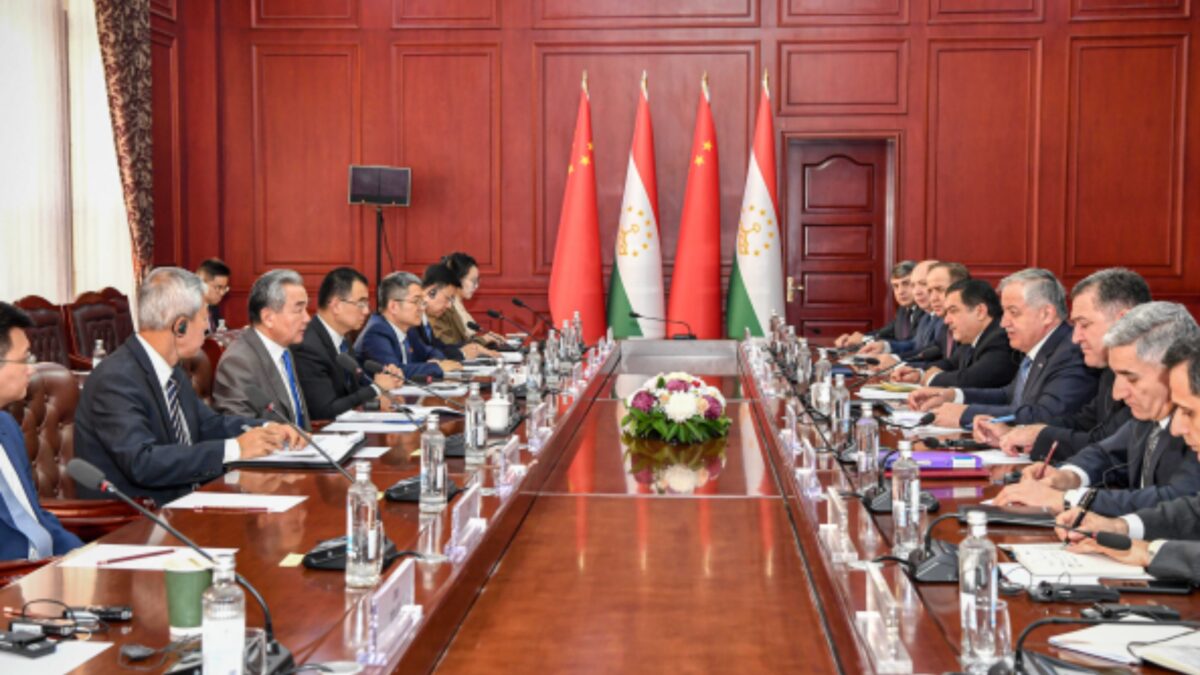
China and Tajikistan have held their first round of strategic dialogue, during which senior officials from both countries discussed regional security and cooperation, including the situation in Afghanistan.
Tajik Foreign Minister Sirojiddin Muhriddin and his Chinese counterpart Wang Yi described Afghanistan as an “undeniable neighbor” and pledged continued cooperation to support peace and stability in the country, according to a statement from China’s Foreign Ministry.
The two ministers also reviewed bilateral relations and explored ways to deepen cooperation in various fields, including regional security. Wang emphasized China’s commitment to strengthening its strategic partnership with Tajikistan and advancing the Belt and Road Initiative with what he called “high-quality development.”
Muhriddin said ties between Dushanbe and Beijing are based on mutual understanding, trust and support, noting that the two countries continue to cooperate actively across several sectors.
Wang said Beijing is committed to strengthening cooperation with Tajikistan on Afghan affairs, with the shared goal of promoting regional peace and stability. He also reaffirmed China’s support for Afghanistan’s reconstruction and development.
“Afghanistan is a neighbor we cannot change,” Wang said, according to a statement released by the Chinese Foreign Ministry. “China wishes to deepen its coordination with Tajikistan on Afghan issues to support stability and development in the region.”
Tajikistan’s foreign ministry made no mention of Afghanistan in its official statements following the talks in Dushanbe, opting to remain silent on that part of the discussion.
Tajik President Emomali Rahmon praised the “comprehensive strategic partnership” between the two countries, emphasizing cooperation across cultural, humanitarian, and security sectors.
The meeting comes as Tajikistan remains one of the most vocal regional critics of the Taliban, which returned to power in Afghanistan in August 2021. Tajik officials have repeatedly expressed concern about the presence of terrorist groups operating from Afghanistan, particularly those affiliated with Islamic State Khorasan Province (ISIS-K) and the East Turkestan Islamic Movement (ETIM).
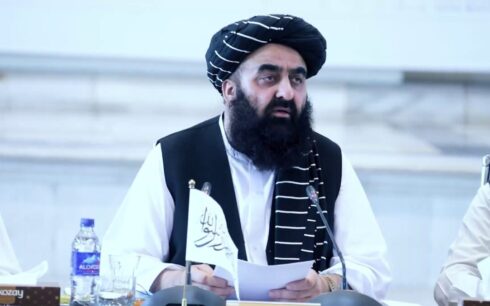
This month, a high-level 14-member delegation of Tajik security and foreign affairs officials visited Kabul and held talks with senior Taliban leaders, including Amir Khan Muttaqi. The rare visit signaled cautious engagement, though Dushanbe has not formally recognized the Taliban.
Beijing, meanwhile, has pursued pragmatic relations with the Taliban, driven by security and economic concerns. China has called for the Taliban to prevent Afghanistan’s territory from being used by militant groups, while also exploring investment opportunities, particularly in mining and infrastructure.
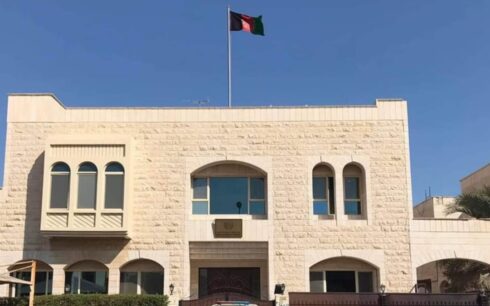
Sources familiar with the visit said Taliban authorities requested formal diplomatic recognition from Tajikistan and the transfer of Afghanistan’s embassy in Dushanbe to Taliban-appointed diplomats. It remains unclear if any agreements were reached.
“Tajikistan has hosted Taliban opposition figures for the past four years,” said Faiz Mohammad Zaland, a university professor in Kabul. “They maintain offices, training centers, and diplomatic missions in the country. Security discussions are a priority, and it appears the path is being prepared for Taliban diplomats to be accepted at the consulate and embassy.”