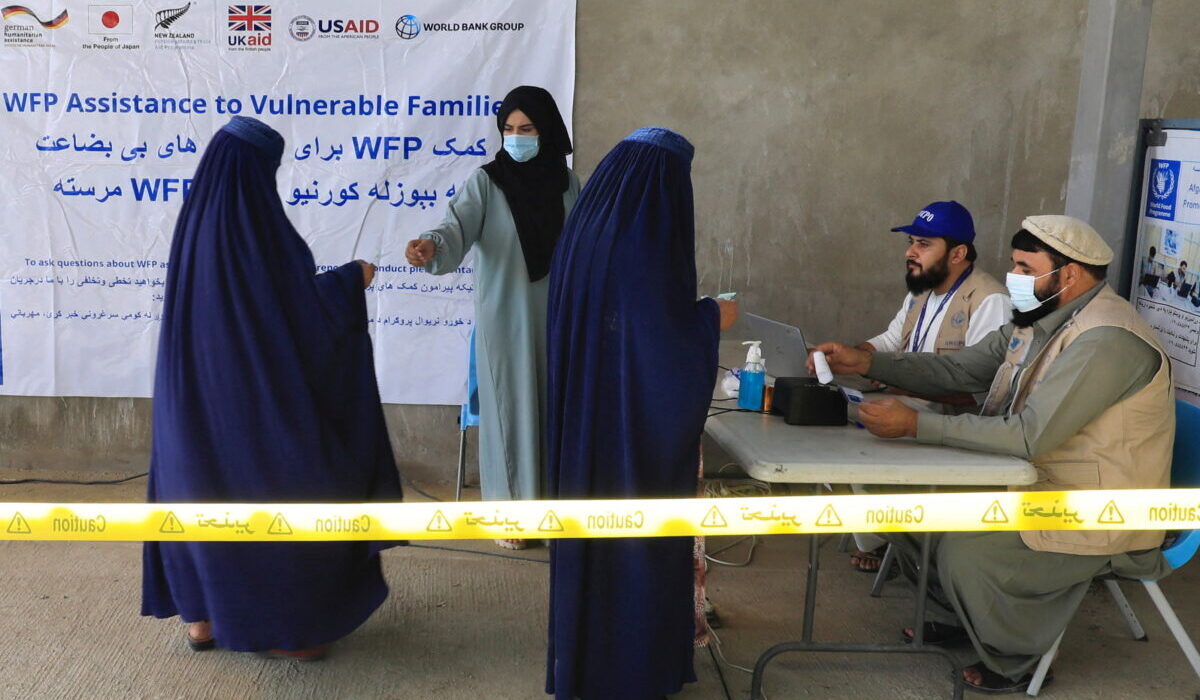
More than 240 humanitarian projects in Afghanistan were suspended in the first half of this year because of Taliban interference, gender restrictions and administrative obstacles, the UN Office for the Coordination of Humanitarian Affairs (OCHA) said in a report, warning that relief efforts for millions of Afghans risk collapsing altogether.
OCHA said 245 aid activities were halted between January and June, mostly in central, southern and western Afghanistan. The suspensions followed 489 reported access incidents, ranging from the detention of aid workers to restrictions on women’s employment.
Taliban authorities were responsible for nearly three-quarters of the incidents, the report said, citing interference in staff recruitment, demands for sensitive data, and limits on who could receive aid. Gender-based restrictions accounted for another 19 percent, including bans on women staff members traveling or working even when accompanied by male relatives.
Critical services — from polio vaccinations to mental health programs and community education — have been disrupted. In some cases, aid workers were threatened or detained; 100 staff members, including 31 women, were arrested temporarily in the first half of 2025.
The access review found that conditions had worsened since 2024. According to the report, of 255 districts once considered low severity, just 95 remained so this year, while most shifted to moderate or higher risk. At the same time, OCHA cautioned that a decline in reported incidents may reflect reduced aid operations because of funding cuts, not real improvements.
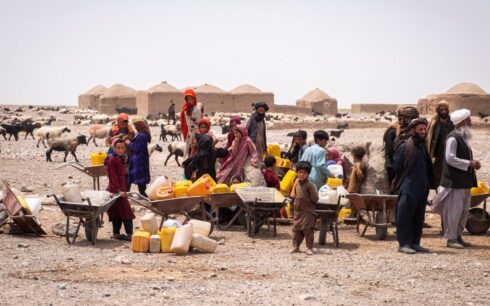
Communities interviewed across the country reported that local power brokers and Taliban officials often influenced beneficiary lists, leaving many needy families excluded. Women in particular said restrictions on female staff had deepened the gender gap in health and protection services.
Despite some localized improvements, OCHA warned that without effective, nonpolitical engagement, “the continuation of current trends could lead to the complete suspension of humanitarian assistance in Afghanistan.”
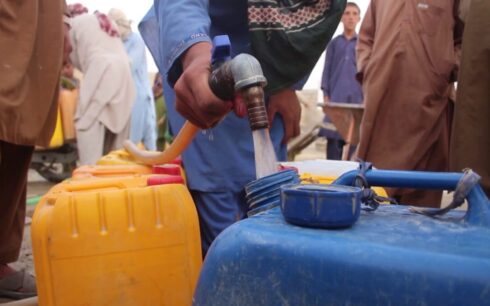
Residents in several provinces said that assistance often fails to reach the most vulnerable, pointing to the influence of local officials and community leaders.
“Sometimes the aid goes to powerful people instead of those in need,” said one resident of Farah Province, who asked not to be named for security reasons.
A resident of Ghor Province added that only a handful of people with personal connections were receiving support: “For us, nothing is distributed.”
Taliban have often rejected accusations of interference, insisting that they merely “monitor” aid operations. But the United Nations has repeatedly voiced concern over their role, saying that 73 percent of humanitarian activities face Taliban obstruction at some level, from procurement and staffing to the selection of beneficiaries.